
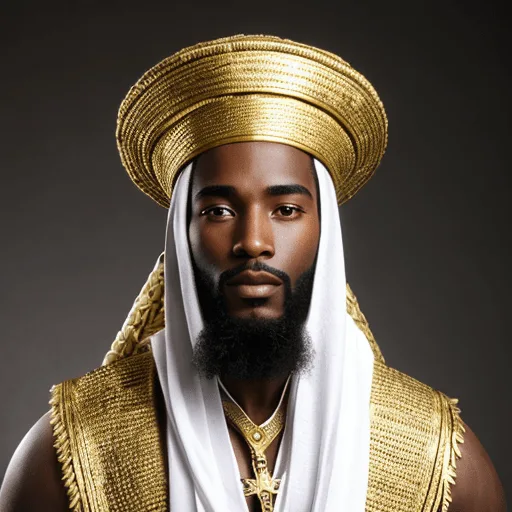
In the Hebrew Israelite community, our festivals are so much more than celebrations or gatherings. They’re deep-rooted observances that reflect the covenant we share with Yahuah and serve as both remembrances and powerful prophetic markers. Participating in these holy days, from Passover in the spring to Hanukkah in the winter, connects us to our ancestors and fulfills the commands found in scripture. This isn’t just a journey back to our roots—it’s an active reminder of Yahuah’s promises, both fulfilled and yet to come. We keep our holy days according to the Hebrew calendar, which operates differently than the Gregorian calendar. While there may be slight variations in how the community observes, a general guide is that the spring festivals start with Passover and go until Pentecost, while the fall and winter festivals range from the Feast of Trumpets to Hanukkah. Let’s walk through each of these Holy Days, dive into their significance, and look at how they’re celebrated, with a special focus on the prophetic meanings of these observances. 1. Passover (Pesach) Scripture Reference: Exodus 12:1-14; Matthew 26:17-30 Passover is one of the most significant holy days for Hebrew Israelites. It commemorates the Exodus from Egypt, when Yahuah delivered the Israelites from bondage. We remember how the blood of a lamb was placed on the doorposts, sparing the Israelites from the final plague that struck Egypt. It is a time to reflect on Yahuah’s deliverance and the sacrifices made for our freedom. During Passover, we remove leavened bread from our homes, signifying purity and separation from sin. We share a special meal, which includes lamb, unleavened bread, and bitter herbs, in remembrance of that first Passover meal. This day is not only historical but prophetic, symbolizing the ultimate sacrifice of Yahushua, the Lamb of Yahuah, who delivered us from sin. Prophetic Significance: Passover points to Yahushua’s sacrificial death as the Lamb who takes away the sins of the world. It is a reminder of our ongoing redemption and the coming Kingdom of Yahuah. (See our book, Passover: Mysteries Revealed) 2. Feast of Unleavened Bread (Chag haMatzot) Scripture Reference: Leviticus 23:6-8; Exodus 12:15-20 The Feast of Unleavened Bread immediately follows Passover. It lasts for seven days, during which we eat unleavened bread to remember the haste with which the Israelites left Egypt, having no time to let their bread rise. This is a time for spiritual purification, symbolizing the removal of sin from our lives, as we strive to live as Yahuah’s set-apart people. This festival is closely tied to Passover, and together, they mark the beginning of our deliverance. The act of eating unleavened bread is a declaration of our commitment to live in holiness, free from the corruption of sin. Prophetic Significance: The Feast of Unleavened Bread represents the ongoing process of sanctification and purification in the life of the believer. Just as the Israelites left Egypt, we too are called to separate ourselves from sin. (See our book, Passover: Mysteries Revealed) 3. Feast of First Fruits (Yom haBikkurim) Scripture Reference: Leviticus 23:9-14; 1 Corinthians 15:20-23 The Feast of First Fruits marks the beginning of the barley harvest. It is a time to offer the first fruits of the harvest to Yahuah as an act of gratitude for His provision. As Hebrew Israelites, we honor this day by presenting offerings, symbolizing the first fruits of our labor and our commitment to Yahuah. This day has great prophetic significance, as it points to the resurrection of Yahushua. Just as the first fruits were offered to Yahuah, Yahushua, as the first fruit of the dead, rose from the grave, assuring us of the promise of eternal life. Prophetic Significance: Yom haBikkurim symbolizes the resurrection of Yahushua and the hope of our future resurrection. (See our book, What Every Hebrew Needs to Know about Shavuot: -Feast Keepers- Pentecost, Firstfruits, Feast of Weeks) 4. Pentecost (Chag Shavuot) Scripture Reference: Leviticus 23:15-21; Acts 2:1-4 Pentecost, also known as the Feast of Weeks, to some Israelites occurs fifty days after Passover and marks the completion of the barley harvest. To other Israelites it occures 49+50 or 99 days after passover and marks the completion of the wheat harvest. It is a time of giving thanks for the grain harvest and also commemorates the giving of the Torah at Mount Sinai. During this time, Hebrew Israelites gather for a holy convocation and offer two loaves of bread made from the new wheat. Pentecost has a prophetic meaning for us, as it also marks the outpouring of the Holy Spirit in the book of Acts, empowering the apostles and the early believers to spread the message of Yahushua. Prophetic Significance: Pentecost represents the empowerment of believers through the Holy Spirit and the beginning of the gathering of the nations into the Kingdom of Yahuah. (See our book, What Every Hebrew Needs to Know about Shavuot: -Feast Keepers- Pentecost, Firstfruits, Feast of Weeks) 5. Feast of Trumpets (Yom Teruah/Rosh Hashanah) Scripture Reference: Leviticus 23:23-25; 1 Thessalonians 4:16-17 The Feast of Trumpets is a day of rest and rejoicing, marked by the blowing of trumpets. It signals the beginning of the Ten Days of Awe, a time of reflection and repentance leading up to Yom Kippur. This day is also viewed as the biblical new year, a time to reflect on the past year and set our sights on the coming year. For us, it also symbolizes the prophetic return of Yahushua, who will return with the sound of a trumpet to gather His people and establish His Kingdom. Prophetic Significance: The Feast of Trumpets points to the second coming of Yahushua, when He will return to judge the nations and gather His people. (See our book, The Feast of Trumpets, Yom Teruah: An intimate understanding of its true meaning.) 6. Day of Atonement (Yom Kippur) Scripture Reference: Leviticus 23:26-32; Hebrews 9:11-14 Yom Kippur is the holiest day of the year for Hebrew Israelites. It is a day of fasting, prayer, and repentance, where we seek atonement for