
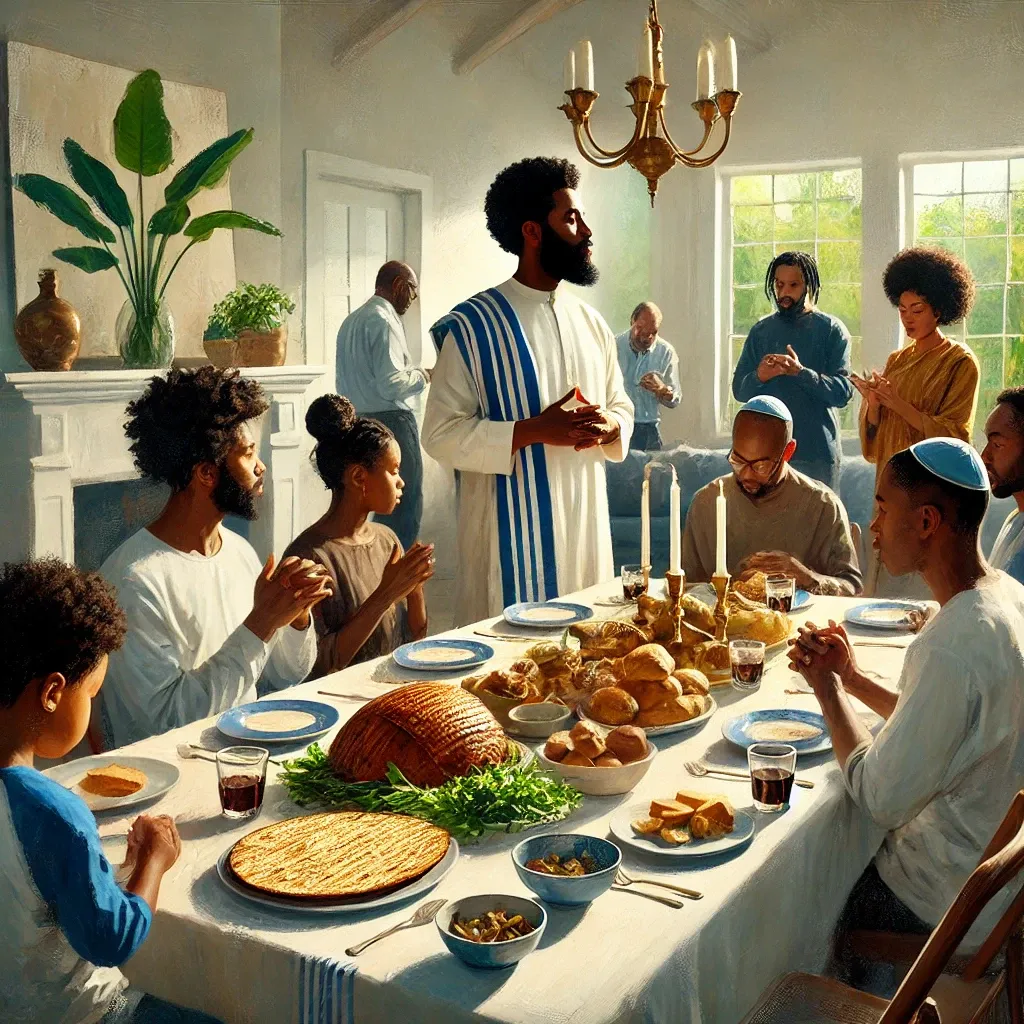
Why the End of Passover Matters Many people focus on preparing for Passover and keeping the feast, but once it is over, they quietly return to normal life without considering what the observance was meant to produce. That is a mistake. Passover is not meant to be a moment that passes through your calendar without changing your life. It is meant to leave an imprint on your spirit. It is meant to shape your memory, your obedience, your gratitude, and your identity as an Israelite. The end of Passover and Unleavened Bread is not the end of the lesson. In many ways, it is the beginning of your responsibility to walk out what you have remembered. YAH did not bring Israel out of Egypt merely so they could celebrate one night and then live however they wanted. He delivered them so they could become a set-apart people. Exodus 19:5-6 (KJV) “Now therefore, if ye will obey my voice indeed, and keep my covenant, then ye shall be a peculiar treasure unto me above all people…And ye shall be unto me a kingdom of priests, and an holy nation…” This shows us something essential: deliverance leads to responsibility. Passover reminds us that YAH brings His people out, but once He brings them out, He requires obedience, separation, and covenant faithfulness. So once Passover is over, the right question is not, “Now that the feast is finished, what do I go back to?” The right question is, “How do I live now that I have remembered what YAH has done?” (See our book, The Path: Of Righteousness) First: Reflect on What the Feast Revealed About You After Passover ends, one of the first things you should do is reflect deeply. The feast is designed to expose things. It reveals your level of preparation, seriousness, discipline, and spiritual awareness. Ask yourself: Did I prepare with reverence or rush through it? Did I truly understand what I was observing? Did I remove only physical leaven, or did I also confront spiritual leaven? Did the feast move me toward repentance and truth? Did I teach my household faithfully? Did I grow in gratitude? This kind of reflection matters because holy days are not meant to be checked off like obligations on a list. They are meant to search us. Lamentations 3:40 (KJV) “Let us search and try our ways, and turn again to the ELOHIM.” That verse is a fitting principle after Passover. Search your ways. What did the feast reveal? Did it expose laziness? Did it expose compromise? Did it expose a shallow understanding? Or did it strengthen conviction, joy, and gratitude? Reflection helps the feast continue working in you after the calendar day has passed. (See our book, Baptism Unto Remembrance: Sin-Atonement-Repentance) Second: Bring Leaven Back Carefully, but Do Not Bring Spiritual Leaven Back at All When the Feast of Unleavened Bread is complete (7 days after Passover), your household may resume using leavened foods. But this should teach a spiritual lesson. Physical leaven returns to ordinary life, but spiritual leaven must not. That is the deeper meaning of the feast. The removal of physical leaven trains the mind to think about the danger of corruption. 1 Corinthians 5:8 (KJV) “Therefore let us keep the feast, not with old leaven, neither with the leaven of malice and wickedness; but with the unleavened bread of sincerity and truth.” Notice that Paul does not say to return to malice and wickedness after the feast. The opposite is implied. The feast teaches a permanent spiritual lesson even when the physical period ends. So yes, after the feast, ordinary food may resume. But do not let that become a symbol of returning to: compromise lust pride bitterness lying hypocrisy spiritual carelessness The whole purpose of the feast is to train you in sincerity and truth. Once the physical observance is over, that lesson should remain. (See our book, Passover: Mysteries Revealed) Third: Continue Walking Like Someone Who Has Been Delivered Passover is about deliverance. But deliverance is not just an event. It is a way of life afterward. When Israel came out of Egypt, they were not supposed to think, speak, and live as if they were still in bondage. They were to walk as a redeemed people. That lesson still stands. After Passover, ask yourself: am I actually walking like someone who has been brought out? That means you should not return to the mentality of Egypt: slavery to sin dependence on oppression love for the world fear-driven thinking ungrateful murmuring carnal compromise One of the great failures in Israel’s history is that many came out of Egypt physically, but Egypt did not come out of them mentally. They were free outwardly but still bound inwardly. Numbers 14:2-4 (KJV) “And all the children of Israel murmured…And they said one to another, Let us make a captain, and let us return into Egypt.” That is a warning for us. It is possible to celebrate deliverance and still long for bondage in the heart. So after Passover, you must continue to reject Egypt in your mind, habits, desires, and loyalties. (See our book, The Path: Of Righteousness) Fourth: Strengthen the Habits That the Feast Was Meant to Build Holy days should cultivate holy habits. If Passover and Unleavened Bread were kept properly, they likely required greater intentionality in: prayer Scripture reading household order self-examination food awareness spiritual focus Do not let those habits collapse as soon as the feast ends. Instead, preserve and strengthen them. If you prayed more during the feast, continue praying more.If you read more Scripture during the feast, continue reading more Scripture.If you were more mindful of sin during the feast, continue that mindfulness. Luke 11:28 (KJV) “But he said, Yea rather, blessed are they that hear the word of YAHUAH, and keep it.” Passover is not meant to produce temporary enthusiasm. It is meant to deepen obedience. So once the feast ends, one of the best things