
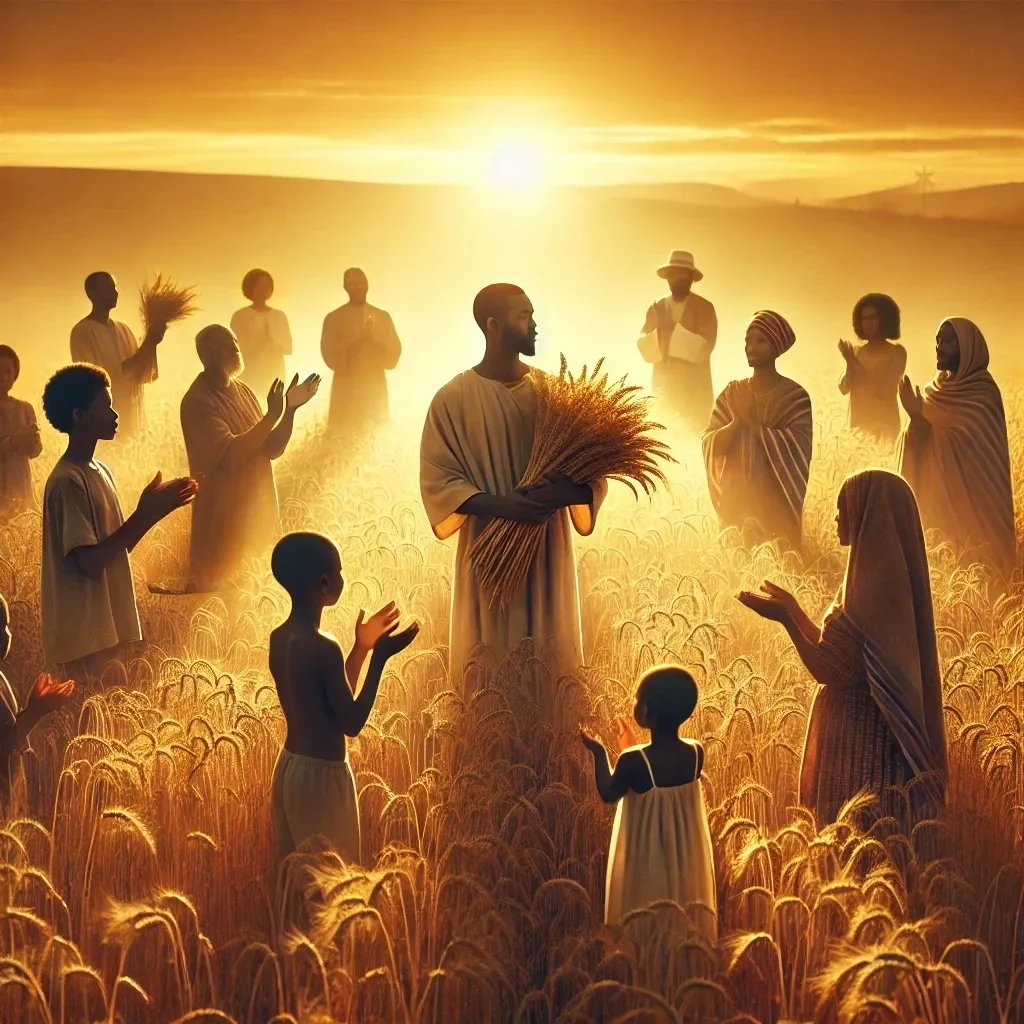
*Shalom Family, we are creating this article so that we can explain the feast count for our next High Holy Day, Shavuot. We are here to explain the 2 main ways that the Israelites celebrate this day. We are going to explain both without judgment, and we leave it to you how you would like to count to this High Holy Day; ultimately, why and how it is practiced is the most important part. So please make the decision based on how you would like to walk your own path towards righteousness. Why This Feast Matters The Feast of Weeks is one of YAH’s appointed times. It is not a man-made holiday, and it did not begin in Acts 2. Long before the apostles were gathered in Jerusalem, this feast had already been established in the Torah as one of Israel’s appointed seasons. Scripture calls it the Feast of Weeks, the Feast of Harvest, and the day of the firstfruits, while the Greek-speaking world came to call it Pentecost, meaning “fiftieth.” That matters because Acts 2 is not the creation of a new feast. It is the arrival of a prophetic fulfillment on an already appointed day. This feast is about: counted time seed and harvest firstfruits gratitude holy convocation prophetic fulfillment And for Israelites, it still matters today because it keeps us anchored in YAH’s calendar, YAH’s provision, YAH’s covenant order, and YAH’s pattern of increase. (See our book, What Every Hebrew Needs to Know about Shavuot: -Feast Keepers- Pentecost, Firstfruits, Feast of Weeks). The Names of the Feast and What They Reveal One of the best ways to understand this feast is to pay attention to the different names Scripture gives it. The Feast of Weeks Deuteronomy 16:9-10 (KJV) “Seven weeks shalt thou number unto thee: begin to number the seven weeks from such time as thou beginnest to put the sickle to the corn.And thou shalt keep the feast of weeks unto YAHUAH thy ELOHIM…” This name emphasizes the counting. The Feast of Harvest Exodus 23:16 (KJV) “And the feast of harvest, the firstfruits of thy labours, which thou hast sown in the field…” This name emphasizes the agricultural side of the feast. It is tied to what was sown and what is now being brought forth. The Day of the Firstfruits Numbers 28:26 (KJV) “Also in the day of the firstfruits, when ye bring a new meat offering unto the ELOHIM, after your weeks be out…” This name emphasizes presentation and offering. Pentecost “Pentecost” reflects the Greek term for the “fiftieth” day and became the common New Testament name for the feast. That usage is tied to the standard interpretation of Leviticus 23 as a count culminating on day 50. So from the names alone, the feast is clearly about: weeks counting firstfruits harvest a counted endpoint The Agricultural Setting: Planting, Barley, Wheat, and Harvest Progression To understand the Feast of Weeks properly, you have to think like an agricultural people living by YAH’s land-based seasons. Exodus 23:16 (KJV) “And the feast of harvest, the firstfruits of thy labours, which thou hast sown in the field…” This feast is directly tied to: sowing seed waiting through time seeing increase harvesting what YAH caused to grow bringing the first portion before Him Ancient Israel’s grain cycle especially involved barley first and wheat later. Barley ripened earlier in spring, while wheat matured later, which is why many explanations of the feast connect the earlier firstfruits/wave sheaf with barley and the later Feast of Weeks with wheat. Exodus 34:22 (KJV) “And thou shalt observe the feast of weeks, of the firstfruits of wheat harvest…” That verse is critical. It ties the Feast of Weeks specifically to the wheat harvest. So the agricultural pattern looks like this: seed was planted in the field barley matured first an early firstfruits point was acknowledged time was counted wheat matured more fully the Feast of Weeks marked a later harvest acknowledgment This is one reason the feast is so rich spiritually. It teaches that YAH governs increase in stages. There is: sowing waiting first signs fuller maturity then presentation before Him The Standard 50-Day Count in Scripture The clearest passage for the count is Leviticus 23. Leviticus 23:15-16 (KJV) “And ye shall count unto you from the morrow after the sabbath, from the day that ye brought the sheaf of the wave offering; seven sabbaths shall be complete:Even unto the morrow after the seventh sabbath shall ye number fifty days…” The most common reading is straightforward: begin from the day after the sabbath tied to the wave sheaf count seven complete sabbaths the day after the seventh sabbath is the endpoint that endpoint is the fiftieth day That is why Pentecost is commonly treated as a single count to day 50, and that is the dominant interpretation across certain Israelite explanations of the feast. This reading fits well with the Greek name “Pentecost,” with the common historical practice of counting seven weeks and then arriving on day 50, and with the normal understanding of Leviticus 23 as a single continuous count. The 50-Day Count and the Early-to-Later Grain Pattern The standard 50-day reading also makes strong agricultural sense. If the wave sheaf marks the beginning of counted harvest time, then seven weeks plus the next day carries the people from the first early grain presentation into the later firstfruits of the wheat harvest. Many explanations of the feast present exactly that movement: early firstfruits associated with barley, then a later firstfruits offering associated with wheat. So the 50-day count clearly works. But that is not the only way some Israelites have approached the text. The 99-Day Count: Why Some See It as a Viable Alternative Some readers see in Leviticus 23:15–16 not merely one count, but a two-stage count. This is the basis of the 99-day interpretation. It is not invented out of thin air. It comes from reading the passage’s wording