
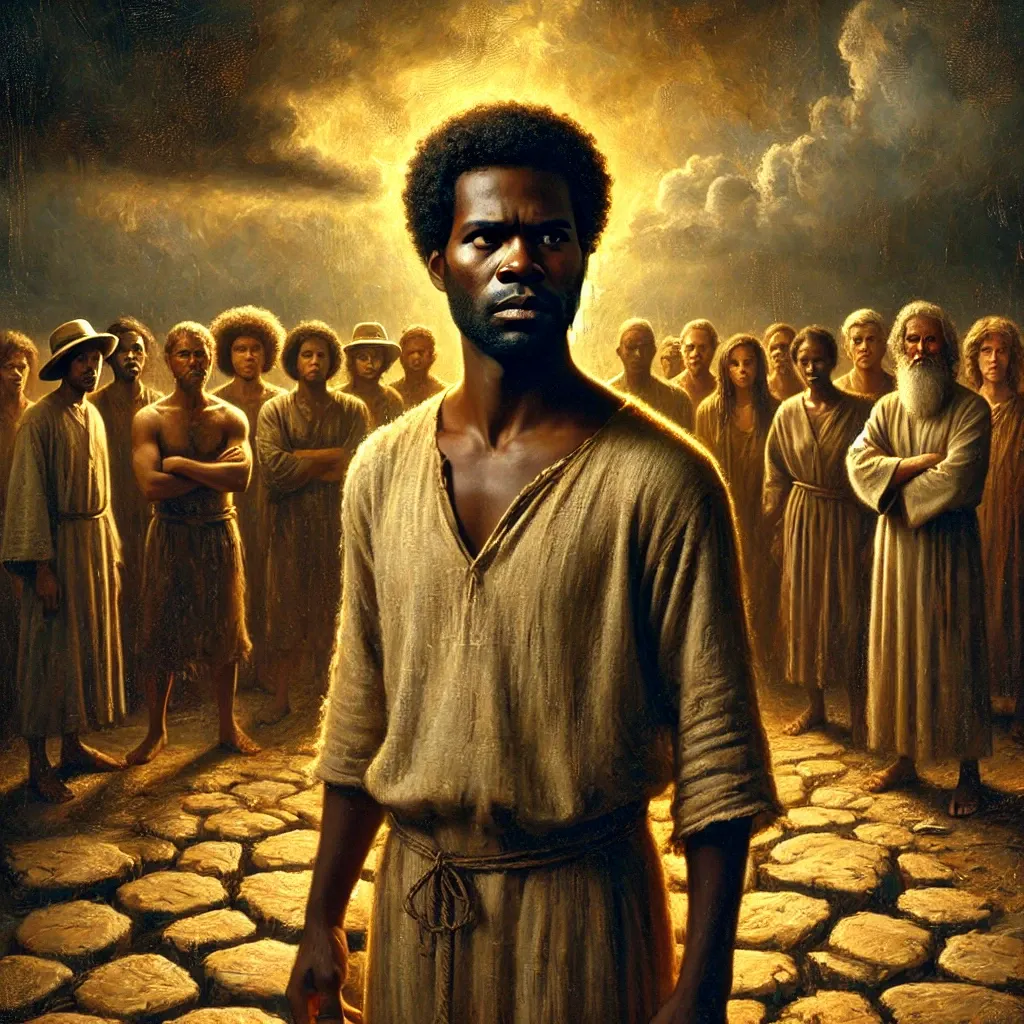
The Question Most People Avoid There is a question that many people do not like to ask, and even fewer are willing to answer honestly: What actually happens if you do not keep the commandments? In a world where grace is often misunderstood, and where obedience is often minimized or dismissed, this question becomes uncomfortable. Many would rather focus on love, mercy, and forgiveness without addressing accountability, judgment, and consequence. But Scripture does not avoid this subject. In fact, it addresses it directly, repeatedly, and with seriousness. If the commandments of YAH are still in effect, and if they define righteousness, then there must also be consequences for rejecting them. Otherwise, the commandments would have no meaning. Obedience would not matter. Sin would not matter. Judgment would not exist. But the Bible teaches the opposite. (See our books, The Path: Of Righteousness) Disobedience Has Always Had Consequences From the very beginning, disobedience has brought consequences. This is not a New Testament concept or an Old Testament concept—it is a consistent principle throughout all Scripture. When YAH gives instruction, He also establishes accountability. Deuteronomy 28:15 (KJV) “But it shall come to pass, if thou wilt not hearken unto the voice of YAHUAH thy ELOHIM, to observe to do all his commandments and his statutes which I command thee this day; that all these curses shall come upon thee, and overtake thee:” This verse establishes a foundational truth. Disobedience is not neutral. It is not without effect. It brings consequences that are described as curses. These curses are not random punishments; they are covenant responses to rebellion. They include oppression, hardship, confusion, and suffering. The purpose of these consequences is not only punishment, but correction. They are meant to show the seriousness of turning away from YAH’s commandments. This principle does not disappear with time. It is not erased under the New Covenant. It remains because YAH does not change. (See our book, Has the Law Been Done Away With? or The Symbiotic Relationship: Grace & Law) Sin Still Exists Because the Law Still Exists To understand what happens when commandments are not kept, we must first understand what sin is. The Bible does not leave this undefined. 1 John 3:4 (KJV) “Whosoever committeth sin transgresseth also the law: for sin is the transgression of the law.” This verse is direct and cannot be redefined. Sin is the breaking of the law. If someone rejects the commandments, they are not simply choosing a different path—they are choosing sin. And sin always carries consequence. Many attempt to separate grace from this reality, but grace does not remove the definition of sin. It does not change what is right and wrong. It simply provides time and opportunity for repentance. If sin continues without repentance, then the consequences remain. (See our book, Baptism Unto Remembrance: Sin-Atonement-Repentance) The Warning From the Messiah The Messiah Himself did not teach that disobedience was acceptable. In fact, He gave one of the strongest warnings in all of Scripture regarding those who claim to follow Him but do not keep the commandments. Matthew 7:21-23 (KJV) “Not every one that saith unto me, ELOHIM, ELOHIM, shall enter into the kingdom of heaven; but he that doeth the will of my Father which is in heaven.Many will say to me in that day, ELOHIM, ELOHIM, have we not prophesied in thy name? and in thy name have cast out devils? and in thy name done many wonderful works?And then will I profess unto them, I never knew you: depart from me, ye that work iniquity.” This passage is sobering. It shows that belief alone is not enough. These individuals: acknowledged the Messiah performed works believed they were righteous Yet they were rejected. Why? Because they worked iniquity. Iniquity means lawlessness. It means living without regard for the commandments. This shows that a person can be religious, active, and even convinced of their own righteousness, and still be rejected because they refuse to obey the commandments. (See our book, Knowing the Father and the Son: Those who seek the truth will find it) Grace Does Not Protect Willful Disobedience One of the greatest misunderstandings is the belief that grace covers all behavior regardless of repentance. But Scripture gives a clear warning against this idea. Hebrews 10:26-27 (KJV) “For if we sin wilfully after that we have received the knowledge of the truth, there remaineth no more sacrifice for sins,But a certain fearful looking for of judgment and fiery indignation, which shall devour the adversaries.” This passage is not speaking to ignorance. It is speaking to knowledge. It is speaking to someone who knows the truth, understands the commandments, and still chooses to continue in sin. This is described as willful sin. And the warning is clear. If a person continues in willful disobedience after knowing the truth, they cannot rely on sacrifice as a covering. What remains is judgment. This reveals that grace is not endless tolerance. It is a window of mercy meant to lead to repentance. If that repentance does not occur, judgment follows. (See our book, Baptism Unto Remembrance: Sin-Atonement-Repentance) Judgment Is Certain and Unavoidable Many people avoid the topic of judgment, but the Bible speaks of it plainly. Every action, every decision, and every choice will be brought into account. Ecclesiastes 12:14 (KJV) “For YAHUAH shall bring every work into judgment, with every secret thing, whether it be good, or whether it be evil.” This verse removes all doubt. Nothing is hidden. Nothing is overlooked. Even the things that are done in secret will be revealed and judged. This includes: actions thoughts intentions And what determines whether something is good or evil? The law. Without the law, judgment would have no standard. But because the law defines righteousness, it also defines what will be judged. (See our book, What is the Gospel?) The Final Judgment and the Lake of Fire The Scriptures do not stop at general judgment. They describe a