
Hanukkah Through Hebrew Israelite Eyes
For many Hebrew Israelites, Hanukkah often prompts an important question: Should we observe it? Is it commanded by YAH? The answer is both simple and profound: Hanukkah is not one of YAHUAH’s seven appointed feast days listed in Leviticus 23, and therefore it is not a commanded holy day. However, that does not mean it holds no value.
Hanukkah, also known as the Feast of Dedication, is a memorial of deliverance—a story of resistance, rededication, and faith in the face of Greek oppression. For the Hebrew Israelite community, this feast is a timely reminder of spiritual warfare, cultural identity, and rededication to the Torah. It’s not about following man-made tradition—it’s about remembering how a righteous remnant refused to bow to false gods and reclaimed the temple of YAH.
Hanukkah is Not a Commanded Feast—but a Historical Memorial
Unlike Passover, Tabernacles, or Day of Atonement, Hanukkah was not established by YAHUAH Himself. It is absent from the Torah and the writings of Moses. The account of Hanukkah appears in 1 Maccabees, part of the Apocrypha, which documents the struggle of the Israelites against the Seleucid (Greek) Empire in the 2nd century BCE.
That said, while it is not a commanded moedim (appointed time), it is a powerful remembrance of righteous resistance. John 10:22 confirms that YAHUSHUA Himself was present at the Feast of Dedication, showing it was acknowledged in His day:
“And it was at Jerusalem the feast of the dedication, and it was winter.” — John 10:22 (KJV)
YAHUSHUA did not rebuke the observance of the feast, but neither did He elevate it to the status of YAH’s holy convocations. The implication? It is not a sin to observe it in righteousness, but it must never replace or overshadow the appointed feasts of YAH.
The Maccabean Revolt: A War for Torah and Identity
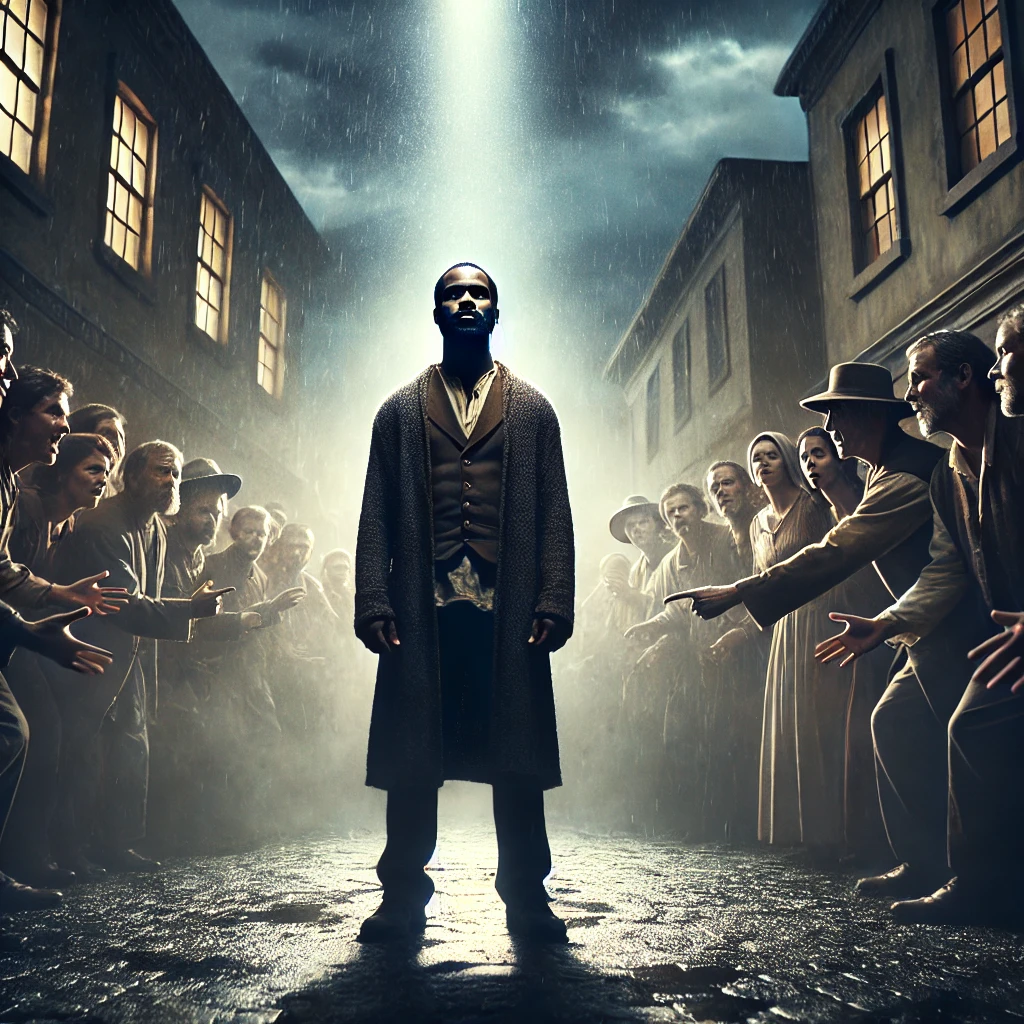
The story of Hanukkah begins with Antiochus Epiphanes, a Greek king who outlawed Torah observance. He defiled the Temple, banned circumcision, and forced Israelites to eat unclean foods. Statues of Zeus were erected, and pigs were sacrificed on YAHUAH’s altar. This wasn’t just political oppression—it was a full assault on righteousness.
“…they set up the abomination of desolation upon the altar, and builded idol altars throughout the cities of Juda on every side.” — 1 Maccabees 1:54
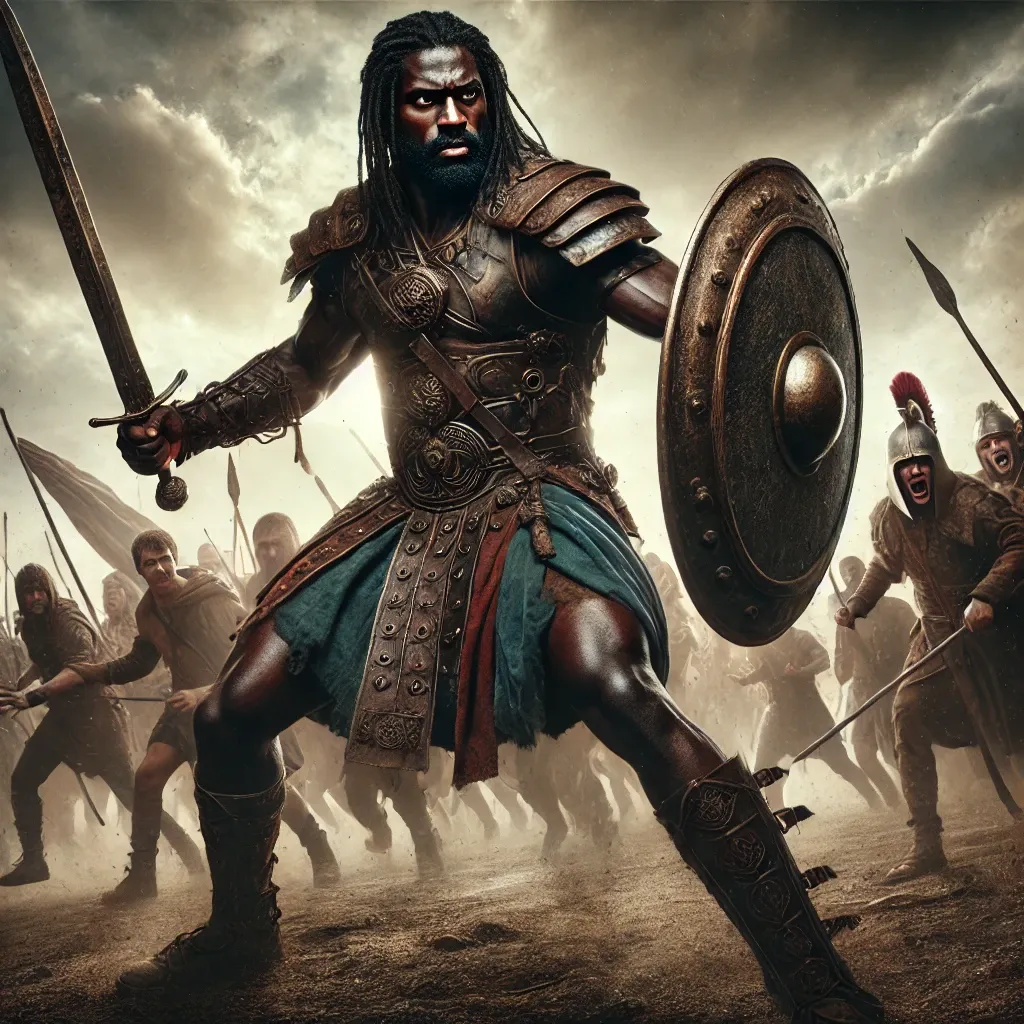
But one family refused to submit. Mattathias, a priest, and his sons—especially Judah Maccabee—rose up in rebellion. They led a guerrilla resistance, trusting in YAH’s power rather than foreign armies. Against all odds, they reclaimed the Temple in 164 BCE and rededicated it after purging it of defilement.
This history is critical for Hebrew Israelites. It is a story of remnant courage, one that resonates today as we battle spiritual deception, false doctrines, and cultural erasure.
The Rededication of the Temple: A Symbol for Us Today
Hanukkah literally means “dedication.” After the Temple was retaken, the Maccabees rededicated the altar and relit the menorah. Though no prophetic mandate was given for this act, it symbolized a return to set-apartness.
“Then all the people fell upon their faces, worshipping and praising the Elohim of heaven, who had given them good success.” — 1 Maccabees 4:55
Today, as there is no standing Temple, the body of believers is the Temple (1 Corinthians 3:16). Therefore, the rededication of the Temple in the time of the Maccabees points to the rededication of ourselves in our time:
“Know ye not that ye are the temple of Elohim, and that the Spirit of Elohim dwelleth in you?” — 1 Corinthians 3:16
Just as the Maccabees cleaned the altar, we are to purge sin and defilement from our lives and stand firm in Torah observance despite pressure to conform to modern Babylonian culture.
The Oil Legend: What’s True and What’s Not
Many have heard the famous Hanukkah tale: a single jar of oil lasted eight days while new oil was prepared. However, this miracle is not in the Book of Maccabees. It comes from later Rabbinic traditions (Talmud, Shabbat 21b), written centuries after the events.
While beautiful in imagery, this story is not historically verifiable. Hebrew Israelites must be cautious not to base faith on myths or legends, especially when they originate in Rabbinic Judaism, which has departed from the true Torah.
Instead of clinging to a miraculous oil story, we focus on the real miracle—that a small band of Torah-keepers, led by the Spirit of YAH, defeated a mighty empire and reclaimed their identity.
“Thy word is a lamp unto my feet, and a light unto my path.” — Psalm 119:105
The light we celebrate is not physical oil—it’s the Torah, the Spirit, and YAH’s deliverance in times of darkness.
How to Observe Hanukkah Today as a Hebrew Israelite
Since Hanukkah is not commanded, we do not observe it with ritual compulsion. However, if observed, it must be done in righteousness and spiritual clarity. Here are optional practices for Hebrew Israelites:
Lighting a menorah nightly for eight days (not as law, but as memorial)
Reading 1 Maccabees and other historical texts aloud
Offering prayers of thanksgiving for YAH’s deliverance
Singing songs of praise and sharing the story with children
Avoiding commercialism, gift-giving traditions, and Rabbinic customs
Remember: this is not a replacement for YAHUAH’s feasts. It is a national memorial, not a Torah-commanded moed.
A Warning Against Assimilation: Then and Now
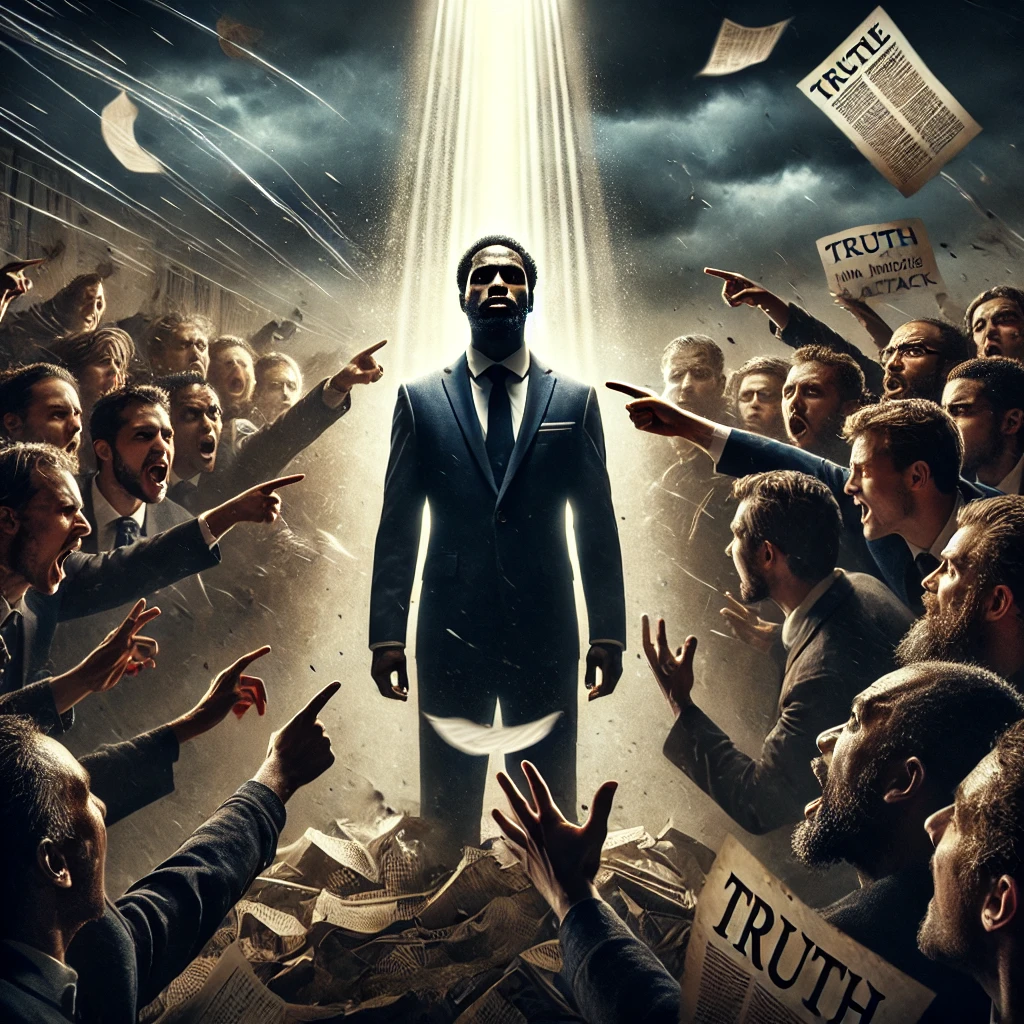
The Greeks tried to erase the Hebrew faith through Hellenization. Many Israelites willingly assimilated, choosing Greek customs, fashion, and speech over the Torah. This mirrors what many face today: a church system that encourages compromise, a culture that promotes lawlessness, and governments that outlaw truth.
“Not every one that saith unto me, Master, Master, shall enter into the kingdom… but he that doeth the will of my Father.” — Matthew 7:21
Hanukkah is not about fried food or dreidels—it’s about spiritual warfare. It calls us to resist spiritual compromise and be bold like the Maccabees.
A Memorial for Today’s Remnant
Hanukkah may not be a commanded feast, but it’s a story worth remembering. It is our history, our fight, our resistance. It teaches us that even when Torah is outlawed, and idols are raised up, the remnant must not bow.
“And such as do wickedly against the covenant shall he corrupt by flatteries: but the people that do know their Elohim shall be strong, and do exploits.” — Daniel 11:32
So let us observe Hanukkah not as a religious obligation, but as a memorial of boldness, purity, and rededication. Let it remind us to cleanse our personal temples and prepare for the return of YAHUSHUA, who will once again cleanse His house.
Keep in Touch
Explore the full Unknown Hebrew Collection for more scripture-based studies.
Stay updated with teachings — follow Unknown Hebrew on Substack.
Have questions? Contact Unknown Hebrew directly.
Shalom,