

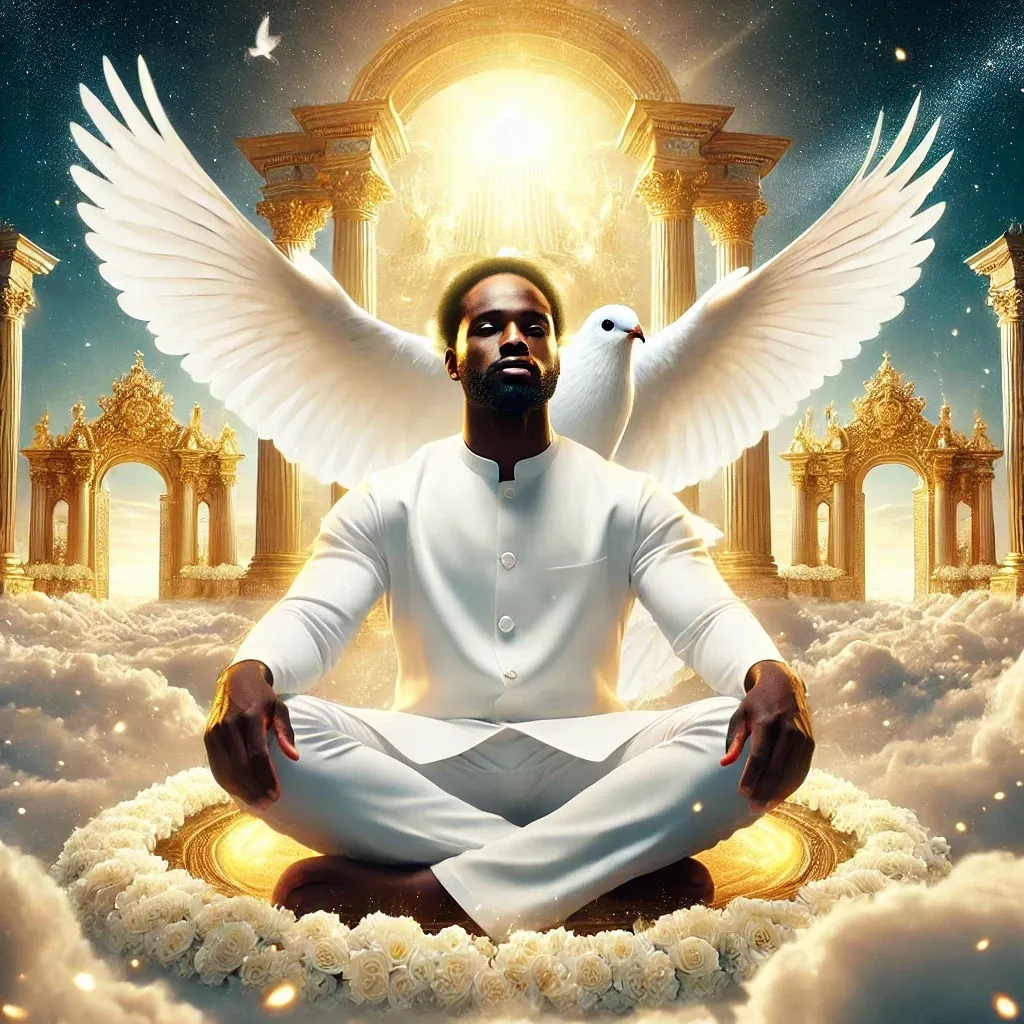
What Is Shemini Atzeret?
Shemini Atzeret, meaning “Eighth Day of Assembly” in Hebrew (שְׁמִינִי עֲצֶרֶת), is a set-apart moed (appointed time) that follows immediately after the seven days of Sukkot (Feast of Tabernacles). While it may appear to be an extension of Sukkot, the Torah makes clear that Shemini Atzeret is a distinct feast day, with its own identity and spiritual significance.
The Hebrew word “Atzeret” (עֲצֶרֶת) comes from a root meaning “to hold back” or “to pause.” This suggests that after seven days of rejoicing in booths, YAHUAH is asking His people to linger one more day in His presence—an intimate conclusion to the feast cycle.
This day is not commonly understood even among Torah-observant believers. Yet, it stands as a prophetic symbol of eternity, renewal, and YAHUAH’s desire to dwell permanently with His people. It is a holy convocation, a time of rest, and a day that invites the faithful remnant to reflect deeply on the Kingdom to come.
(See our book, Hebrew Israelite Biblical Feast Days: What They Are And How We Celebrate Them)
Scriptural Foundation for Shemini Atzeret
The observance of Shemini Atzeret is first outlined in the Torah:
Leviticus 23:36–39 (KJV)
“Seven days ye shall offer an offering made by fire unto the ELOHIM: on the eighth day shall be a holy convocation unto you; and ye shall offer an offering made by fire unto the ELOHIM: it is a solemn assembly; and ye shall do no servile work therein… In the fifteenth day of the seventh month… ye shall keep a feast unto the ELOHIM seven days… the eighth day shall be a sabbath.”
This passage distinguishes Shemini Atzeret from the seven days of Sukkot. Sukkot is seven days long, but on the eighth day—which is not part of the original seven—another sacred assembly is commanded. This eighth day has its own Sabbath rest, its own sacrificial offerings, and its own spiritual weight.
The fact that YAHUAH commands a holy convocation (miqra qodesh) and no servile work clearly identifies it as a feast day in its own right, not just a “bonus” day of Sukkot. Moreover, calling it a “solemn assembly” (atzeret) implies a sense of spiritual restraint or stillness—inviting the people to remain behind in sacred quietness.
Numbers 29:35–38 (KJV)
“On the eighth day ye shall have a solemn assembly: ye shall do no servile work therein. But ye shall offer a burnt offering, a sacrifice made by fire, of a sweet savour unto the ELOHIM: one bullock, one ram, seven lambs of the first year without blemish.”
The commanded sacrifices were distinct from those of the previous seven days, showing that this is a new moed with a new meaning. The reduction in offerings—from 13 bullocks on day 1 of Sukkot to 1 bullock on Shemini Atzeret—hints at a narrowing focus: from all of the nations (Sukkot representing the nations) to an intimate remnant of Israelites.
(See our book, The 8th Day Shemini Atzeret: The Last Great Day)
A Day of Solemn Assembly and Rest
The term “solemn assembly” used for Shemini Atzeret is not just ceremonial—it is prophetic in tone.
Hebrew: עֲצֶרֶת (Atzeret)
Means: to hold back, to restrain, to assemble, to pause.
This root reveals a deeper understanding: YAH is saying, “Linger with Me.” After seven days of joyful fellowship, dancing, waving palm branches, and celebrating the harvest, YAHUAH doesn’t immediately send His people back to their routines. Instead, He says, “Tarry one more day.”
2 Chronicles 7:8–10 (KJV)
“Also at the same time Solomon kept the feast seven days… and on the eighth day they made a solemn assembly: for they kept the dedication of the altar seven days, and the feast seven days. And on the three and twentieth day of the seventh month he sent the people away… glad and merry in heart…”
Solomon’s observance of Shemini Atzeret shows it was known as a distinct and significant day even in Temple times. The people remained an additional day before being sent away, marking it as a day of final rejoicing and divine approval.
The Spiritual and Prophetic Meaning of the Eighth Day
The number eight in the Bible carries profound symbolic meaning:
Circumcision occurs on the 8th day (Leviticus 12:3)
Yahushua rose on the 8th day (1st day of the week)
The new beginning after 7 days of creation (Genesis 2:2-3)
Shemini Atzeret prophetically represents the age to come—the New Heaven and Earth, the Marriage Supper of the Lamb, and the eternal dwelling of YAHUAH with His people.
Revelation 21:3 (KJV)
“Behold, the tabernacle of YAHUAH is with men, and He will dwell with them, and they shall be His people…”
This language mirrors the intent behind Shemini Atzeret: a permanent dwelling, not temporary booths. The feasts move from Passover to Tabernacles (covering YAH’s plan of salvation), and Shemini Atzeret signals the final state—a Kingdom of peace, intimacy, and eternal fellowship.
(See our book, The 8th Day Shemini Atzeret: The Last Great Day)
How to Keep Shemini Atzeret Today
1. Observe a Day of Rest
Just like the weekly Sabbath and other feast days, no servile work is to be done (Leviticus 23:36). Prepare your meals ahead of time and refrain from labor.
2. Hold a Holy Convocation
Gathering with other believers is part of the command. Whether in a congregation, small group, or family, honor the day with Scripture reading, praise, and teaching.
3. Offer Spiritual Sacrifices
Though animal sacrifices are no longer performed, we can still offer spiritual sacrifices:
Praise – Hebrews 13:15
Prayer – 1 Thessalonians 5:17
Obedience – Romans 12:1
Charity – Hebrews 13:16
4. Reflect on YAH’s Desire to Dwell With You
Take time for deep personal reflection. Shemini Atzeret is about intimacy with the Most High. Reflect on your walk, your sanctification, and your longing for His Kingdom.
(See our book, The 8th Day Shemini Atzeret: The Last Great Day)
Connection to the Marriage Supper and the New Heaven and Earth
YAHUSHUA refers to a great wedding feast in parables (Matthew 22:1–14). Revelation 19 speaks of the marriage supper of the Lamb. These future events are pictured in the eighth-day celebration—a day when the Bridegroom and Bride are united eternally.
Isaiah 25:6–9 (KJV)
“And in this mountain shall the ELOHIM of hosts make unto all people a feast of fat things… He will swallow up death in victory… and it shall be said in that day, Lo, this is our ELOHIM; we have waited for him…”
The language of a feast, rejoicing, and final deliverance aligns beautifully with the prophetic meaning of Shemini Atzeret. After the millennial reign (symbolized by Sukkot), the eighth day brings us into a new realm—one without death, sorrow, or separation.
Why This Day Matters
Shemini Atzeret is a divine pause, an intimate moment, and a prophetic rehearsal.
It is:
A day of finality and eternity
A call to linger with the Creator
A preview of the world to come
If Sukkot is about rejoicing in temporary shelters, Shemini Atzeret is about entering the permanent dwelling of the Most High. It reminds us that the journey doesn’t end at the harvest—it continues into a new, eternal beginning with YAHUAH.
Let us not rush past this day.
“Blessed are they which are called unto the marriage supper of the Lamb.”
Revelation 19:9 (KJV)
May we be among those who hear the call and remain with our King in joyful assembly—forever.
Shalom,
Stay Connected
Explore the full Unknown Hebrew Collection for more scripture-based studies.
Stay updated with teachings — follow Unknown Hebrew on Substack.
Have questions? Contact Unknown Hebrew directly.