
YAHUAH’s Appointed Times Are His Love Language
YAHUAH’s feasts are not man-made holidays; they are divinely ordained appointments. The Hebrew word for “feast” in Leviticus 23:2 is mo’edim, which means “appointed times.”
Leviticus 23:2 (KJV)
“Speak unto the children of Israel, and say unto them, Concerning the feasts of the ELOHIM… even these are my feasts.”
These are YAH’s feasts, not just “Jewish holidays.” They are personal to Him. Each moed carries meaning, intention, and prophetic fulfillment. They are acts of remembrance, obedience, and love—just like a husband plans an anniversary with care and detail.
Sukkot, in particular, reflects YAHUAH’s desire to dwell with His people, to provide for them, and to gather them joyfully into His presence.
Sukkot Reflects YAHUAH’s Character as a Dwelling El
The central theme of Sukkot is dwelling—a motif that runs through the entire Bible.
Leviticus 23:42-43 (KJV)
“Ye shall dwell in booths seven days… That your generations may know that I made the children of Israel to dwell in booths, when I brought them out of the land of Egypt.”
Why is this important to YAHUAH? Because He was not distant during Israel’s 40 years in the wilderness—He dwelled among them in the Tabernacle. Sukkot remembers YAHUAH’s intimate nearness, despite hardship.
Exodus 25:8 (KJV)
“And let them make me a sanctuary; that I may dwell among them.”
From Eden to Sinai to the future New Jerusalem, the pattern of YAH’s interaction with His people is always relational, always tabernacle-oriented. His desire is to live with us.
Sukkot is YAHUAH’s declaration:
“I am not a distant deity. I will walk with you in your wilderness. I will shelter you.”
This is why Sukkot matters. It reflects His identity as a loving, covenantal El.
(See our books, Millennium & Kingdom Reign SUKKOT: Feast of Booths/Feast of Tabernacles, The 8th Day Shemini Atzeret: The Last Great Day)
Sukkot Points to the Final Ingathering of His People
YAHUAH’s agricultural calendar has spiritual meaning. Sukkot is the final harvest festival, symbolizing the gathering of all Israelites to worship the true ELOHIM.
Deuteronomy 16:13 (KJV)
“Thou shalt observe the feast of tabernacles seven days, after that thou hast gathered in thy corn and thy wine.”
Zechariah 14:16 (KJV)
“…every one that is left of all the nations… shall even go up… to worship the King… and to keep the feast of tabernacles.”
This means that even in the Millennial Reign of YAHUSHUA, Sukkot will be required. Why? Because it is a global recognition that the King now dwells on Earth.
Sukkot represents the end goal of all prophecy:
YAH dwelling with man
Righteous nations submitting to His rule
Unity under the banner of His Name
YAHUAH loves this feast because it reflects the completion of His plan—not just personal salvation, but national restoration and global submission to His rulership.
Sukkot Honors YAHUAH’s Provision and Faithfulness
During the wilderness years, Israel had no homes, no crops, and no certainty, but YAH provided daily manna, water from the rock, and clouds of protection.
Sukkot teaches us to trust YAHUAH in scarcity, to rejoice in Him even in temporary situations.
Nehemiah 9:20-21 (KJV)
“Thou gavest also thy good spirit to instruct them, and withheldest not thy manna from their mouth… Forty years didst thou sustain them in the wilderness, so that they lacked nothing…”
This reminds us that our dependence is our strength, not our weakness. The booths we dwell in for seven days are not just symbolic—they are living testimonies to YAH’s care and our gratitude.
YAHUAH delights in Sukkot because His faithfulness is on display, and His people remember the supernatural provisions that sustained them when they had nothing.
(See our books, Millennium & Kingdom Reign SUKKOT: Feast of Booths/Feast of Tabernacles, The 8th Day Shemini Atzeret: The Last Great Day)
The Joy of Sukkot Is the Joy of YAHUAH
Sukkot is uniquely joyful. While Passover is sobering and Yom Kippur is solemn, Sukkot is commanded joy.
Deuteronomy 16:15 (KJV)
“…because YAHUAH thy ELOHIM shall bless thee in all thine increase, and in all the works of thine hands, therefore thou shalt surely rejoice.”
YAHUAH desires gladness in worship. Not forced obedience, but joyful reverence. And He reciprocates!
Isaiah 62:5 (KJV)
“…as the bridegroom rejoiceth over the bride, so shall thy YAHUAH rejoice over thee.”
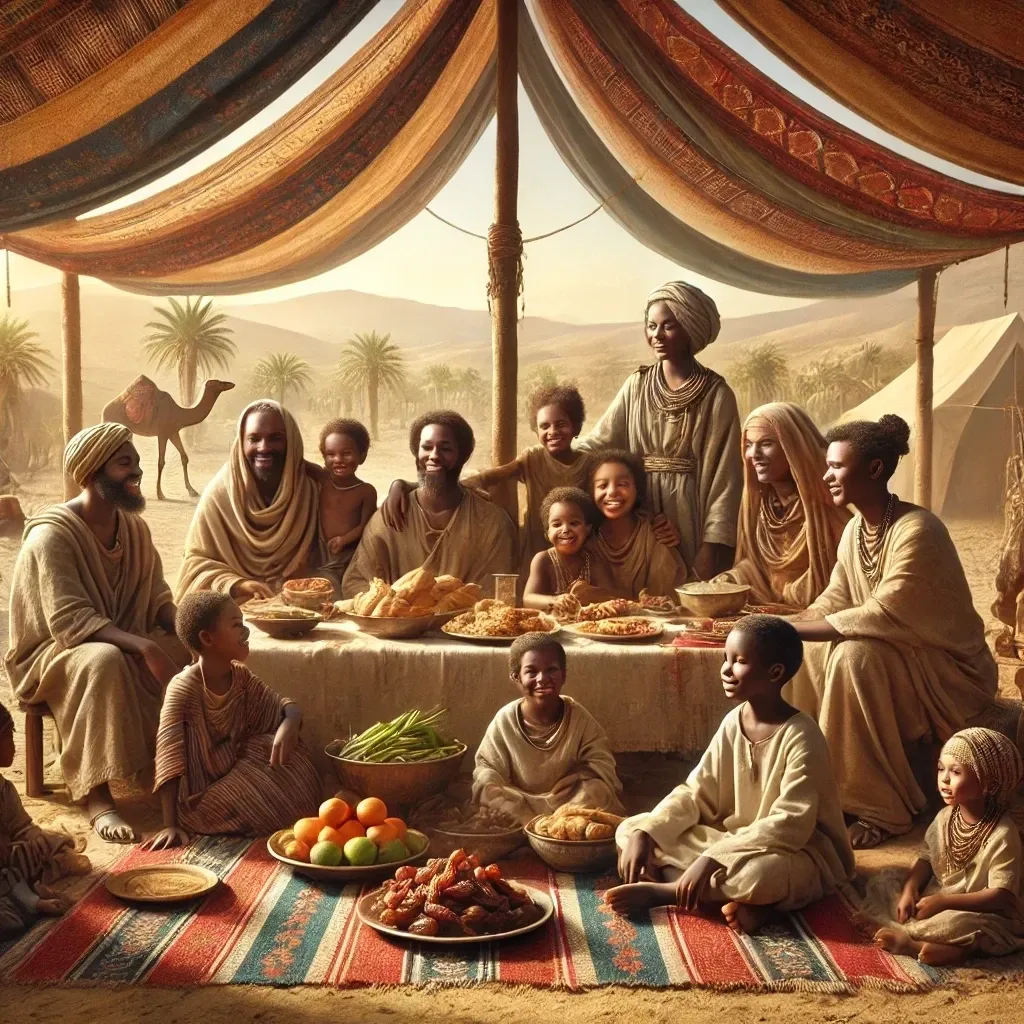
Every joyful sukkah, every family feast, every song sung under the stars is a witness to the world that YAHUAH is a joyful Elohim who takes pleasure in His people.
This joy becomes prophetic when seen through the lens of the marriage supper of the Lamb (Revelation 19). Sukkot rehearses the coming Kingdom celebration when YAHUSHUA returns and dwells forever with His Bride.
Why Sukkot Is the Feast of YAH’s Heart
Among all the moedim, Sukkot captures YAHUAH’s heart for dwelling, gathering, blessing, and rejoicing. It is:
A memorial of His presence in the wilderness,
A command to remember His provision,
A celebration of His future Kingdom,
And a prophetic rehearsal of YAHUSHUA’s return.
YAHUAH loves Sukkot because it reflects who He is—a Father who shelters, a Husband who rejoices, a King who gathers His people.
To keep Sukkot is to step into divine rhythm. It is to say to the world:
“We are not of this world. We dwell with YAH. He is our El, and we are His people.”
Shalom,
Stay Connected
Explore the full Unknown Hebrew Collection for more scripture-based studies.
Stay updated with teachings — follow Unknown Hebrew on Substack.
Have questions? Contact Unknown Hebrew directly.