
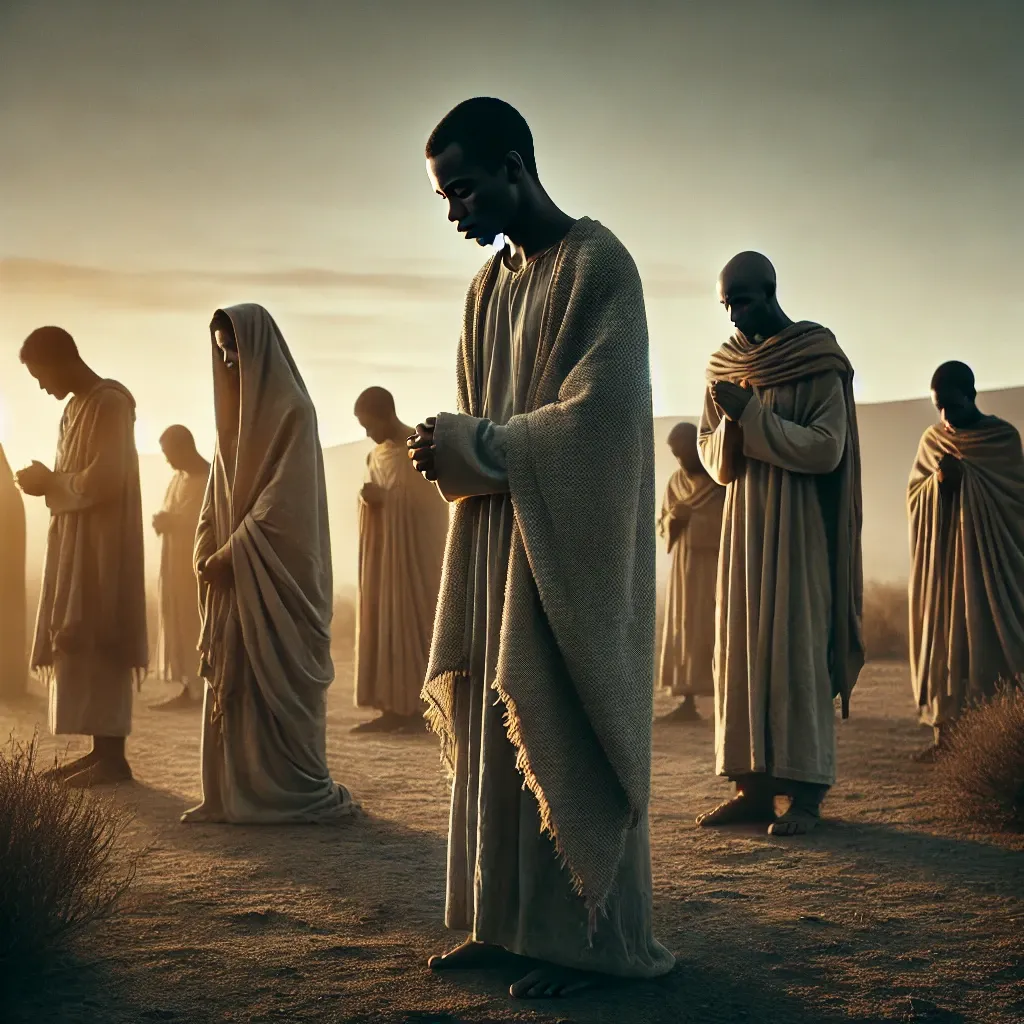
Why Sackcloth Appears So Often in the Bible When many people read the Scriptures, they notice that in times of fasting, mourning, repentance, distress, or national crisis, Israelites often put on sackcloth. To a modern reader, that can seem strange or unclear. Some may assume it was just an old custom with no deeper meaning. Others may wonder whether it was required every time someone fasted. Still others may ask whether sackcloth has any relevance for believers today. To understand sackcloth properly, we have to begin with this truth: in Scripture, sackcloth was not a fashion choice, and it was not worn for outward drama. It was a visible expression of an inward condition. It was a sign of humbling oneself, grieving, mourning, repenting, and afflicting the soul before YAH. That is why sackcloth appears in moments of: repentance fasting national calamity mourning over sin grief over judgment cries for mercy deep humility The outward garment reflected an inward posture. In other words, the clothing matched the condition of the heart. This matters because in Scripture, fasting was never supposed to be a hollow ritual. It was supposed to involve the whole person—body, mind, spirit, and heart. Sackcloth, ashes, weeping, lamentation, and abstinence often appeared together because they all expressed brokenness before the Most High. So when the Scriptures speak of Israelites putting on sackcloth while fasting, they are showing us something very important: true fasting was often joined with humility, sorrow, and self-affliction. (See our book, Baptism Unto Remembrance: Sin-Atonement-Repentance) What Sackcloth Was in the Bible Before we can understand the symbolism, we need to understand what sackcloth actually was. Sackcloth was a coarse, rough garment, usually made from dark goat hair or another rough material. It was uncomfortable, plain, unattractive, and associated with grief and abasement. It was not something worn for comfort, status, or appearance. It was deliberately humbling. This is important. The very nature of sackcloth tells us something about its purpose. It represented: discomfort instead of comfort humility instead of honor grief instead of celebration affliction instead of ease When a person put on sackcloth, they were stepping away from ordinary comfort and outward dignity. They were showing that they were in a state of sorrow, repentance, or pleading. We can see sackcloth used this way throughout the Scriptures. Genesis 37:34 (KJV) “And Jacob rent his clothes, and put sackcloth upon his loins, and mourned for his son many days.” Here, Jacob wears sackcloth in mourning over Joseph. The garment expresses grief. 1 Kings 21:27 (KJV) “And it came to pass, when Ahab heard those words, that he rent his clothes, and put sackcloth upon his flesh, and fasted, and lay in sackcloth, and went softly.” Here sackcloth is connected with fasting, affliction, and humbling. Nehemiah 9:1 (KJV) “Now in the twenty and fourth day of this month the children of Israel were assembled with fasting, and with sackclothes, and earth upon them.” Here sackcloth appears in a national act of repentance and solemn humility before YAH. These examples show that sackcloth was not random. It was a recognized biblical sign of deep seriousness before the Most High. (See our books, The Path: Of Righteousness) Why Sackcloth Was Worn During Fasting Fasting in Scripture is not merely “going without food.” Biblical fasting is about humbling oneself before YAH, afflicting the soul, seeking mercy, expressing sorrow, repenting, mourning, and setting oneself apart for serious spiritual purpose. Sackcloth often accompanied fasting because it reinforced the same message that fasting itself communicated. Fasting says, “I am denying my flesh.” Sackcloth says, “I am humbling myself and casting aside comfort.” Together they formed a visible and bodily expression of inward lowliness. Psalm 35:13 (KJV) “But as for me, when they were sick, my clothing was sackcloth: I humbled my soul with fasting…” This verse is one of the clearest connections between sackcloth and fasting. Notice how David links them: sackcloth on the body fasting in the soul humility before YAH The phrase “I humbled my soul with fasting” is very important. Sackcloth was not the main point by itself. The main point was humility. Sackcloth was one way of expressing that humility outwardly. This helps us understand the biblical mindset. When Israelites fasted in times of deep need, the goal was not to maintain normal comfort while merely skipping meals. The goal was to enter into a posture of affliction, seriousness, and brokenness before YAH. That is why sackcloth appears so often alongside: fasting ashes weeping rent garments lamentation prayer It signaled that the person or people were not approaching YAH casually. Sackcloth as a Sign of Mourning One of the main scriptural meanings of sackcloth is mourning. Sometimes that mourning was over personal loss. Sometimes it was over national destruction. Sometimes it was over sin and judgment. We see this clearly in Jacob’s grief. Genesis 37:34-35 (KJV) “And Jacob rent his clothes, and put sackcloth upon his loins, and mourned for his son many days.And all his sons and all his daughters rose up to comfort him; but he refused to be comforted…” Jacob’s sackcloth expresses deep grief. It is the clothing of sorrow. We also see it in national disaster. Lamentations 2:10 (KJV) “The elders of the daughter of Zion sit upon the ground, and keep silence: they have cast up dust upon their heads; they have girded themselves with sackcloth…” Again, sackcloth is connected with devastation and lamentation. This matters because fasting is not always about asking for something. Sometimes fasting is about mourning before YAH—mourning over sin, over judgment, over affliction, over loss, over the spiritual state of the people. In that context, sackcloth becomes appropriate because it matches the season of grief. It is the opposite of festive clothing. It declares, “This is not a time of ease. This is a time of sorrow and lowliness.” Sackcloth as a Sign of Repentance Another major use of sackcloth is repentance. When people in Scripture realized that they were under