
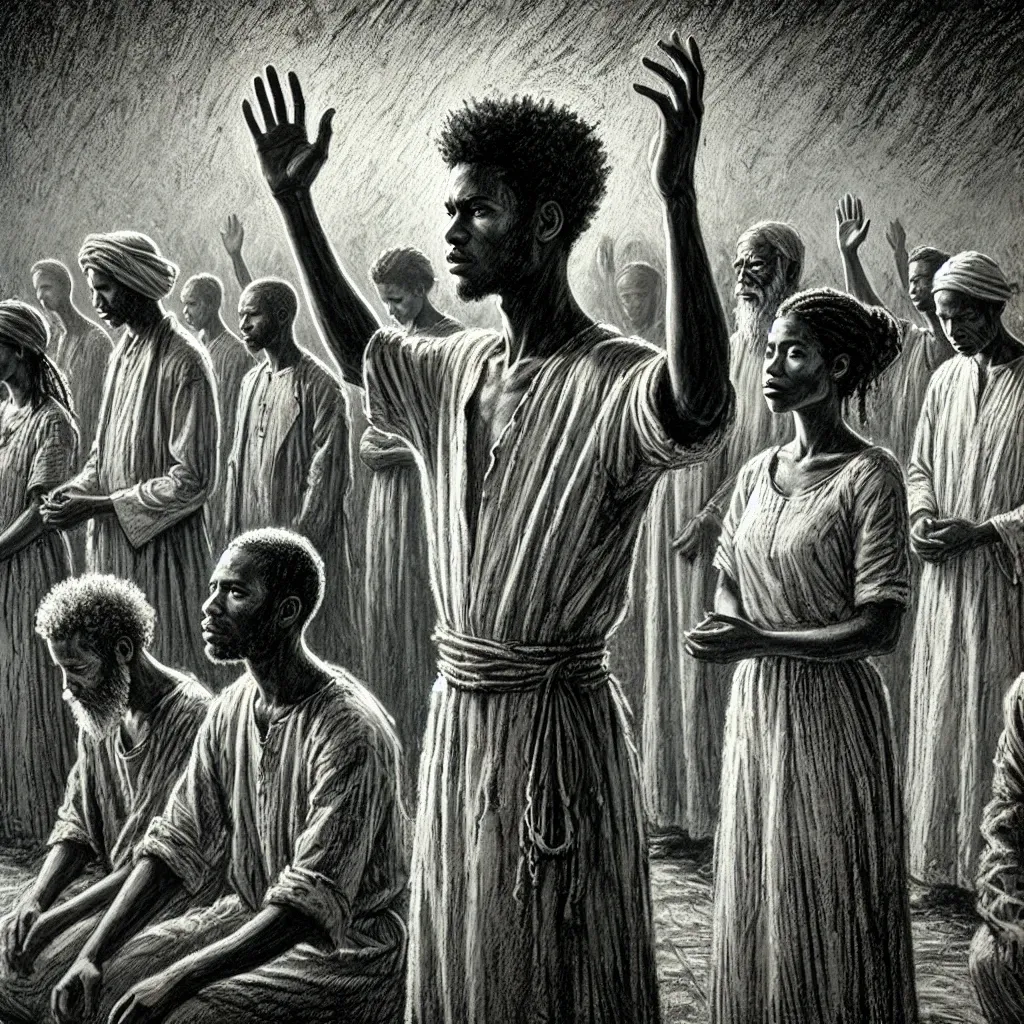
Why It Is Important to Understand How Biblical Fasting Was Actually Practiced Many people today speak about fasting, but not everyone understands how fasting was actually practiced in the Scriptures. Some treat fasting as a light spiritual exercise. Some reduce it to a health practice. Others assume any form of temporary self-denial automatically counts as the kind of fast the Bible speaks about. But when we study the Scriptures carefully, we find that biblical fasting among the Israelites was serious, purposeful, and deeply connected to humility before YAH. Fasting in the Bible was not primarily about dieting, detoxing, or improving discipline for its own sake. It was about afflicting the soul, humbling oneself, seeking YAH, mourning, repenting, crying out in distress, and responding to moments of deep spiritual urgency. That is why understanding how the Israelites fasted matters. It helps us separate: biblical fasting from modern trends scriptural purpose from empty ritual true self-affliction from convenient abstinence covenant humility from shallow religious habit When the Israelites fasted, it was often done in connection with: mourning repentance national sin judgment war danger grief intercession seeking guidance humbling themselves before YAH So if we want to understand fasting properly, we cannot begin with modern assumptions. We must begin with Scripture itself. (See our book, How Israelites Pray To Their ABBA) The Core Meaning of Fasting in Scripture Before discussing the different lengths and forms of fasting, we need to understand what fasting meant in the biblical world. At its most basic level, fasting meant abstaining from food for a spiritual purpose. In some cases, water was also withheld for a time, but the ordinary biblical pattern of fasting is most often understood as refraining from food while seeking YAH with seriousness. But fasting was never just about not eating. Scripture ties it directly to humbling the soul. Psalm 35:13 (KJV) “But as for me, when they were sick, my clothing was sackcloth: I humbled my soul with fasting…” This verse is foundational. David does not describe fasting merely as going hungry. He says, “I humbled my soul with fasting.” That is the biblical heart of the matter. Fasting is a means of bringing yourself low before YAH. We see the same connection in the language of affliction. Leviticus 16:29 (KJV) “…ye shall afflict your souls…” Isaiah 58:3 (KJV) “Wherefore have we fasted, say they, and thou seest not? wherefore have we afflicted our soul…” This shows us that biblical fasting involves: denial of the flesh seriousness before YAH inward humbling spiritual focus intentional seeking So when we ask how Israelites fasted, we must remember that the deeper issue is not the mechanics alone, but the posture. Still, the mechanics matter because they show how that posture was expressed in real life. (See our book, Ancient Hebrew Prayer Principles: Keys To Getting Your Prayers Answered) Fasting From Morning to Evening: The Day Fast Pattern One of the clearest biblical patterns is fasting for the day, often until evening. This is important because not every fast in Scripture lasted multiple days. Many fasts were observed during the daylight hours and concluded when evening came. We see this pattern clearly in the account following the tragic events in Judges. Judges 20:26 (KJV) “Then all the children of Israel, and all the people, went up, and came unto the house of YAHUAH, and wept, and sat there before the ELOHIM, and fasted that day until even, and offered burnt offerings and peace offerings before the ELOHIM.” This verse gives us a direct example of a fast lasting “that day until even.” Notice the setting: they came before YAH they wept they sat before Him they fasted until evening This was not casual abstinence. It was tied to grief, inquiry, and desperation. Israel had suffered loss, and they sought YAH with tears, fasting, and offerings. This day-until-evening pattern appears again. 2 Samuel 1:12 (KJV) “And they mourned, and wept, and fasted until even, for Saul, and for Jonathan his son…” Again, the fast is connected to mourning and lasts until evening. So we can say clearly that one biblical model of fasting among the Israelites was a sunrise-to-sunset or day-to-evening fast, where food was withheld during the day as an act of mourning, humility, and seeking YAH. This is important because it shows that not every fast was a prolonged multi-day event. Sometimes a one-day fast, kept seriously until evening, was the chosen form. Why Evening Often Marked the Conclusion of a Fast The fact that many fasts ended at evening is not accidental. In the biblical rhythm of life, evening often marked a transition point and the close of the daytime period of affliction. In practical terms, a fast until evening meant: the person spent the day in humility bodily appetite was denied during the active period of the day the focus remained on prayer, grief, repentance, or seeking relief came only after the appointed period was completed This helped reinforce discipline and intention. The person was not grazing throughout the day or lightly modifying their diet. They were setting aside food for a fixed period in order to bring the flesh into subjection and seek YAH with seriousness. This pattern also teaches something spiritually. It reminds us that fasting is not meant to be adjusted constantly to fit comfort. A fast had structure. It had an appointed duration. It required resolve till its end. (See our book, Prayer of a Hebrew Israelite) Full-Day Fasts and the Affliction of the Soul Another important biblical pattern is the full-day fast, especially in relation to solemn observance and soul-affliction. The Day of Atonement is the clearest example of this. Leviticus 23:27-32 (KJV) “Also on the tenth day of this seventh month there shall be a day of atonement… and ye shall afflict your souls…It shall be unto you a sabbath of rest, and ye shall afflict your souls: in the ninth day of the month at even, from even unto even, shall