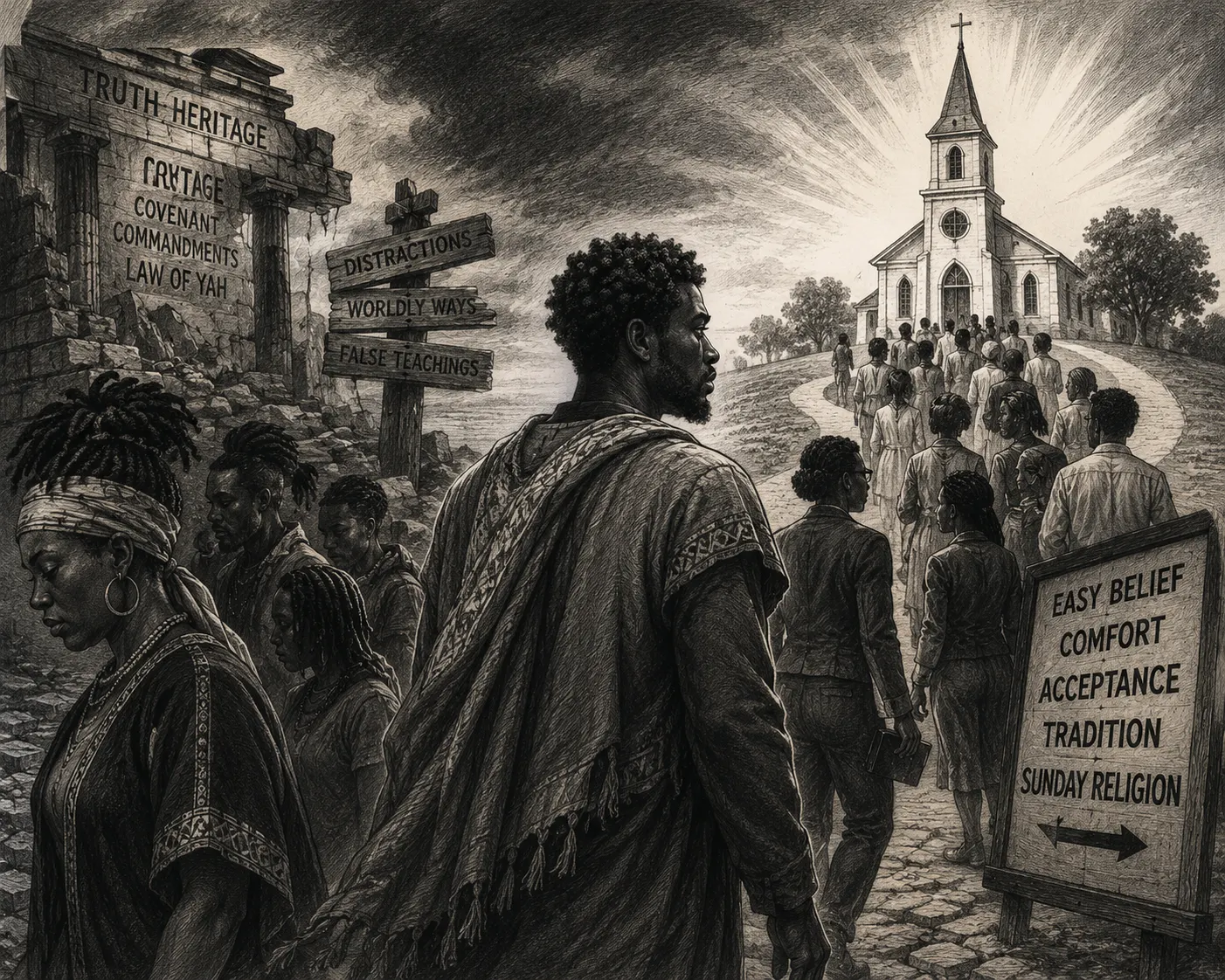

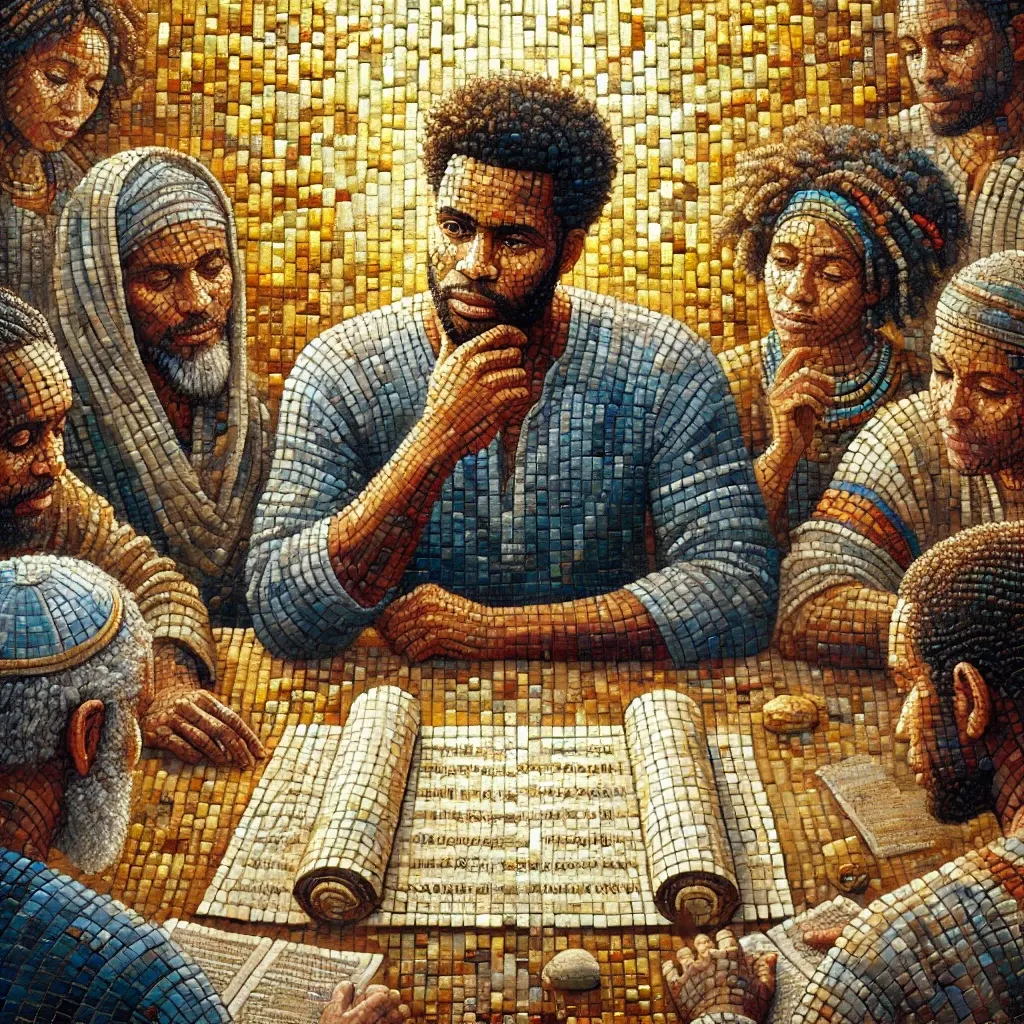
Why This Question Creates So Much Confusion
Once a person begins to understand that the law has not been done away with, the next question naturally becomes:
“Which commandments are we still supposed to keep today?”
This question creates confusion because many people approach the law as though every commandment functions in exactly the same way. Others go to the opposite extreme, claiming that none of the commandments apply anymore. Both approaches create problems because neither one properly examines how the Scriptures present the law.
The commandments were given with structure, purpose, and context. Some commandments define eternal righteousness. Some were connected to the priesthood and temple system. Some governed national Israel as a kingdom in the land. Some pointed prophetically toward the Messiah and His sacrifice.
If these distinctions are ignored, people either:
Reject commandments that still apply
or attempt to force commandments that cannot currently function as originally designed
This is why the subject must be approached carefully and honestly. The goal is not to force tradition into Scripture, but to let Scripture explain itself. We will break down the law into 4 distinct sections: Moral, Dietary, Feast Days, and Sacrificial/Priesthood.
(See our books, The Path: Of Righteousness)
The Law Was Given as Wisdom and Instruction
The Bible never presents the law as meaningless or temporary. From the very beginning, the commandments were given as wisdom and guidance for how YAH’s people were to live.
Deuteronomy 4:5–6 (KJV)
“Behold, I have taught you statutes and judgments, even as YAHUAH thy ELOHIM commanded me, that ye should do so in the land whither ye go to possess it.
Keep therefore and do them; for this is your wisdom and your understanding in the sight of the nations…”
This passage is important because it shows the law was not random. It contained:
statutes
judgments
instructions for righteous living
The commandments were meant to shape a people who reflected wisdom, discipline, and holiness before the nations.
This immediately challenges the modern idea that obedience is unnecessary. If the commandments were described as wisdom and understanding, then removing them would not increase righteousness—it would remove the very standard that defined it and remove wisdom itself. Thereby, setting you up to be foolish and being sent to a place at enmity with YAHUAH rather than being sent to His Kingdom after the second death.
We understand that the law reveals the mind and character of YAH. The Christian interpretation often treats the law as an outdated burden, but Scripture consistently presents it as something valuable and righteous. And it is one of the necessary “keys” to salvation and the ability to keep one’s name within the Book of Life.
(See our book, Knowing the Father and the Son: Those who seek the truth will find it)
The Moral Commandments Still Stand
One of the clearest truths in Scripture is that moral commandments remain binding because they reflect the character of YAH Himself.
Ecclesiastes 12:13 (KJV)
“Let us hear the conclusion of the whole matter: Fear YAHUAH, and keep his commandments: for this is the whole duty of man.”
This verse does not present commandment-keeping as optional or temporary. It describes it as the duty of man. Moral commandments include:
not murdering
not stealing
not committing adultery
not bearing false witness
These commandments are not tied to:
the temple
sacrifices
a priesthood system
They define righteousness itself.
The Messiah confirmed this directly.
Matthew 19:16–17 (KJV)
“And, behold, one came and said unto him, Good Master, what good thing shall I do, that I may have eternal life?
And he said unto him… if thou wilt enter into life, keep the commandments.”
This is one of the clearest statements in the New Testament. The Messiah did not respond by saying:
“The commandments are gone”
“Only believe”
Instead, He connected obedience with entering into life.
The Christian interpretation often attempts to separate salvation from obedience entirely, but we recognize that faith and obedience work together. Obedience does not earn salvation, but true faith produces obedience. You cannot have true faith without obedience, and cannot have true obedience without faith.
(See our book, Peace Be Still John 14:27: Peace For Everyday Living, His Shalom)
The Sabbath Commandment Was Never Removed
The Sabbath is one of the most debated commandments because mainstream Christianity largely replaced it with Sunday worship traditions. But when Scripture is examined carefully, there is no verse where YAH removes the Sabbath commandment.
Exodus 20:8–10 (KJV)
“Remember the sabbath day, to keep it holy.
Six days shalt thou labour, and do all thy work:
But the seventh day is the sabbath of YAHUAH thy ELOHIM…”
The Sabbath is not merely a “Jewish” tradition. It is one of the Ten Commandments. It was established as holy time set apart unto YAH.
The Messiah Himself kept the Sabbath.
Luke 4:16 (KJV)
“And he came to Nazareth… and, as his custom was, he went into the synagogue on the sabbath day…”
The phrase “as his custom was” matters because it shows consistent practice. The Messiah did not treat the Sabbath as abolished. Instead, He corrected misuse and hypocrisy surrounding it.
The Christian interpretation often claims the Sabbath was replaced or fulfilled in a way that removes literal observance. But Scripture never explicitly states this. We understand that the Sabbath remains a commandment because heaven and earth still remain, just as the Messiah declared in Matthew 5.
(See our book, All About The SABBATHS: Keeping, Guarding & Remembering)
Dietary Laws Still Matter
Dietary commandments are another area where many believe the law was abolished. Yet Scripture repeatedly identifies certain animals as clean and others as unclean.
Leviticus 11:7–8 (KJV)
“And the swine… is unclean to you.
Of their flesh shall ye not eat…”
These instructions were connected to holiness and separation. They distinguished YAH’s people from the surrounding nations.
Many Christians argue these laws were removed in the New Testament, often using Peter’s vision in Acts 10. But Peter himself explains the vision:
Acts 10:28 (KJV)
“…YAHUAH hath shewed me that I should not call any man common or unclean.”
The vision was about people, not food.
Even more importantly, future prophecy still condemns eating unclean things.
Isaiah 66:17 (KJV)
“…eating swine’s flesh, and the abomination, and the mouse, shall be consumed together, saith the ELOHIM.”
This passage refers to future judgment, not the distant past. That means dietary distinctions still matter.
The Christian interpretation often assumes that any mention of food in the New Testament cancels dietary law, but we understand the full context and recognize continuity between the prophets and the apostles, not separation.
(See our book, The Original Bible Diet: What Is the Bible Diet and Why Is Understanding Kashrut So Important to Kosher Eating?)
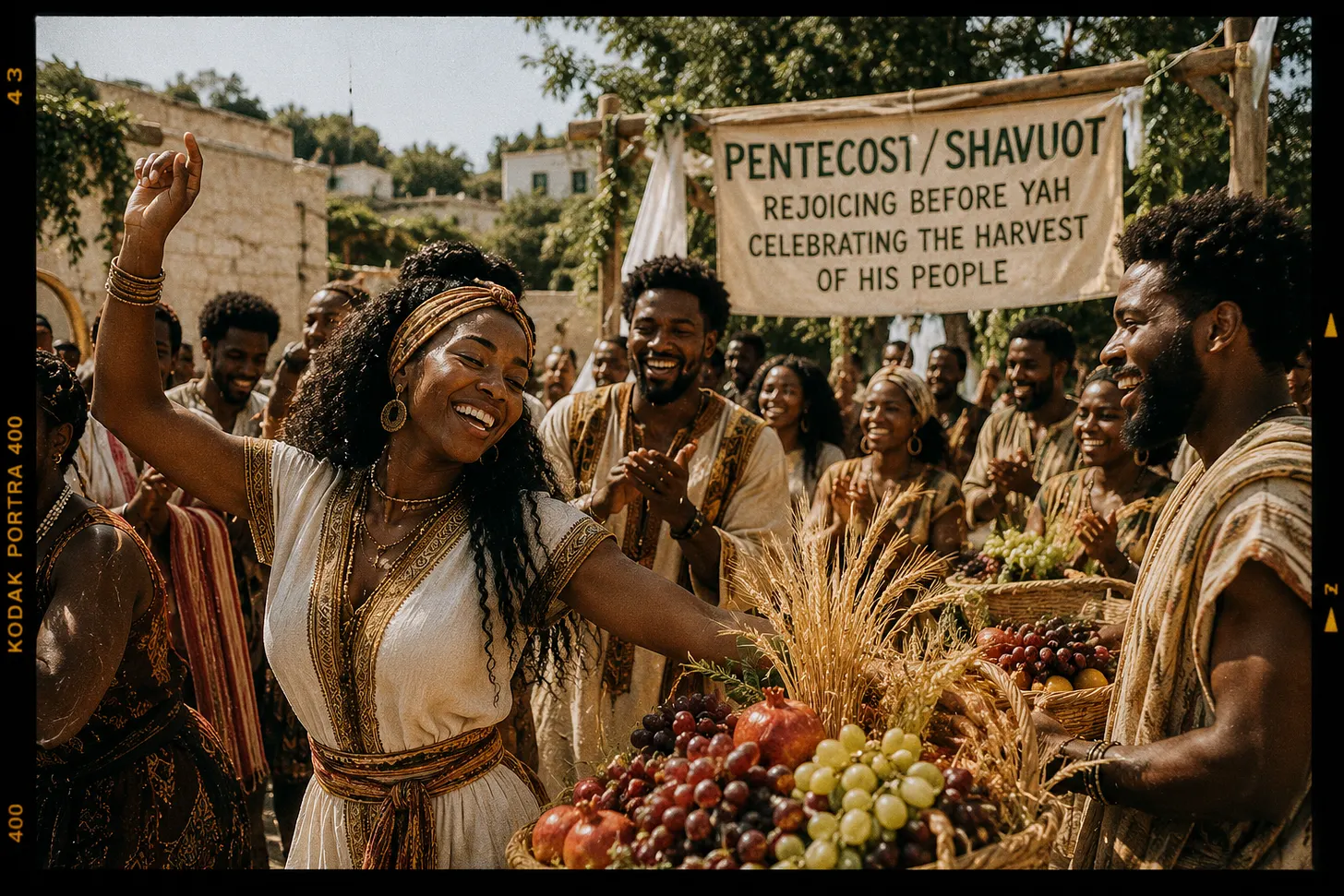
Feast Days Still Belong to YAH
One of the greatest replacements in Christianity has been the exchange of biblical feast days for man-made holidays. Yet Scripture clearly identifies the feast days as belonging to YAH.
Leviticus 23:2 (KJV)
“Speak unto the children of Israel… Concerning the feasts of the ELOHIM… these are my feasts.”
The wording is important:
“my feasts”
These are not merely cultural celebrations. They are divine appointments connected to:
prophecy
covenant
remembrance
worship
Passover points toward redemption. Pentecost connects to harvest and spiritual outpouring. Tabernacles points toward dwelling and restoration.
Even future prophecy shows feast observance continuing in the 1000 year reign of the Messiah after His second coming.
Zechariah 14:16 (KJV)
“And it shall come to pass… that every one… shall go up… to keep the feast of tabernacles.”
If feast days were abolished, they would not appear in future prophecy.
The Christian interpretation often replaces YAH’s feast days with traditions like Christmas and Easter, even though those traditions are not commanded in Scripture and are literally linked back to celebrations of Satan. Please look at our prior post about Christmas and Easter to find out about their satanic foundations. We understand that the feast days remain relevant because they belong to YAH Himself and were never “done away with”.
(For a breakdown of all of the High Holy Days please see our book, Hebrew Israelite Biblical Feast Days: What They Are And How We Celebrate Them)
Sacrificial Laws Changed Because the Messiah Fulfilled Their Function
This is where careful distinction becomes necessary. Some commandments operated through the Levitical priesthood and temple sacrifices.
Hebrews 10:10–12 (KJV)
“By the which will we are sanctified through the offering of the body of YAHUSHUA Christ once for all.
And every priest standeth daily ministering and offering oftentimes the same sacrifices…
But this man… offered one sacrifice for sins for ever…”
The sacrificial system pointed toward atonement. The Messiah fulfilled that role through His offering.
This does not mean the law failed. It means the purpose of those sacrifices reached fulfillment.
The Christian interpretation often takes this fulfillment and applies it to the entire law, including moral commandments and righteousness itself. But we understand that there is a distinction between:
sacrificial functions
moral obligations
The sacrifice changed. Righteousness did not.
(See our book, The Symbiotic Relationship: Grace & Law)
Priesthood Laws Changed in Application
The priesthood also changed in structure.
Hebrews 7:12 (KJV)
“For the priesthood being changed, there is made of necessity a change also of the law.”
This passage is discussing the priesthood specifically. Without a functioning Levitical temple system, certain priesthood laws cannot operate in the same way.
But this does not remove commandments like:
the Sabbath
dietary laws
moral righteousness
The Christian interpretation often expands this verse beyond its context to claim that all the law has changed. But our understanding keeps the verse within the discussion of the Levitical priesthood, where it belongs. And we understand that the “new” priesthood structure is the Order of Melchizedek, which is the original priesthood, much older and stronger than the Levitical priesthood could ever be.
(See our book, The Order Of Melchizedek: According To The 12 Patriarchs)
The New Covenant Writes the Law in the Heart
One of the greatest misunderstandings is the belief that the New Covenant removed the commandments. But Scripture says something very different.
Jeremiah 31:33 (KJV)
“But this shall be the covenant that I will make with the house of Israel… I will put my law in their inward parts, and write it in their hearts…”
The New Covenant does not remove the law.
It internalizes it.
Under the New Covenant:
Obedience to Torah becomes spiritual
Righteousness from Torah becomes inward
The commandments from the Torah move from stone to a person’s heart
This is why our understanding remains consistent across both the Old and New Testaments. The commandments are not discarded—they are written deeper within the believer. Ultimately, making the Israelites become the living embodiment of YAHUSHUA and YAHUAH on earth. To be completely transformed by YAHUAH’s laws to walk it, talk it, think it, and breathe it. That is what the prophets spoke about the true followers of YAHUAH in these last days.
(See our book, What is the Gospel?)
Obedience Still Matters
At the center of this discussion is a simple truth: obedience still matters.
John 14:15 (KJV)
“If ye love me, keep my commandments.”
The Messiah connected love directly with obedience. He did not separate relationship from righteousness.
The Christian interpretation often emphasizes belief while minimizing obedience. But Scripture repeatedly joins them together.
True faith produces action. True repentance produces change. True love produces obedience.
(See our book, Song of Solomon: A Complete Breakdown)
In Conclusion,
The commandments were never meaningless, and they were never entirely abolished. Some commandments changed in function because of the Messiah’s sacrifice and the absence of the Levitical temple system. But righteousness, holiness, obedience, Sabbath, dietary distinctions, and YAH’s appointed times remain deeply significant.
The mistake many make is treating the law as though every commandment functions identically. But Scripture itself distinguishes between:
moral commandments
sacrificial functions
priesthood duties
civil judgments
We recognize these distinctions while maintaining consistency throughout the Bible.
The law has not disappeared.
It must simply be understood correctly.
Final Scripture
Deuteronomy 10:12–13 (KJV)
“And now, Israel, what doth YAHUAH thy ELOHIM require of thee, but to fear YAHUAH thy ELOHIM, to walk in all his ways, and to love him, and to serve YAHUAH thy ELOHIM with all thy heart and with all thy soul,
To keep the commandments of the ELOHIM…”
Final Truth
The commandments still matter because righteousness still matters.
And righteousness has always required obedience.
The only question is:
Will you obey?
Shalom,
Keep in Touch
Explore the full Unknown Hebrew Collection for more scripture-based studies.
Stay updated with teachings — follow Unknown Hebrew on Substack.
Have questions? Contact Unknown Hebrew directly.